Ceramic tile Since 2008


News Details
The basic knowledge of natural stone(Ⅱ)
Time:
2022-12-15
The formation of the natural stone
1. The formation of stone
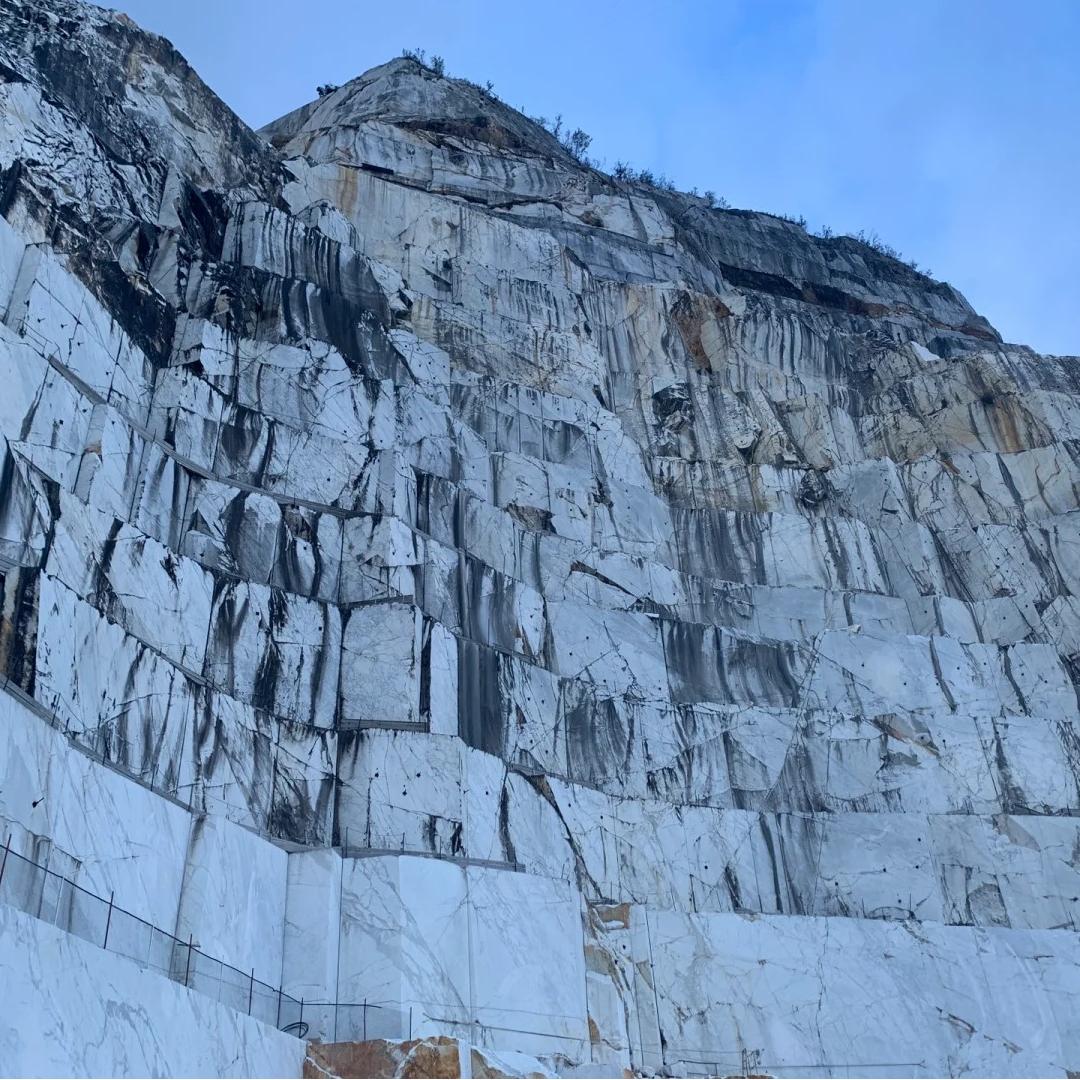
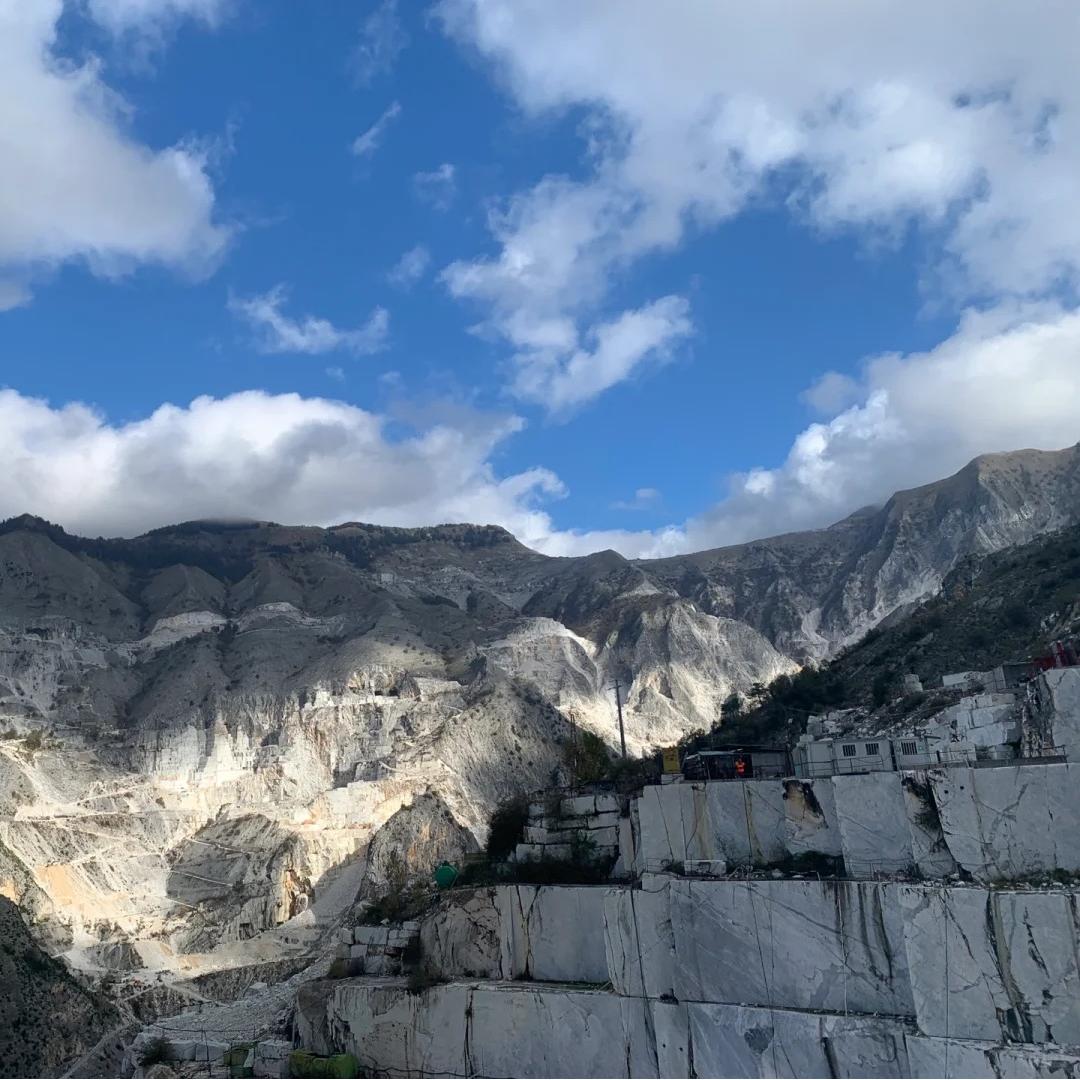
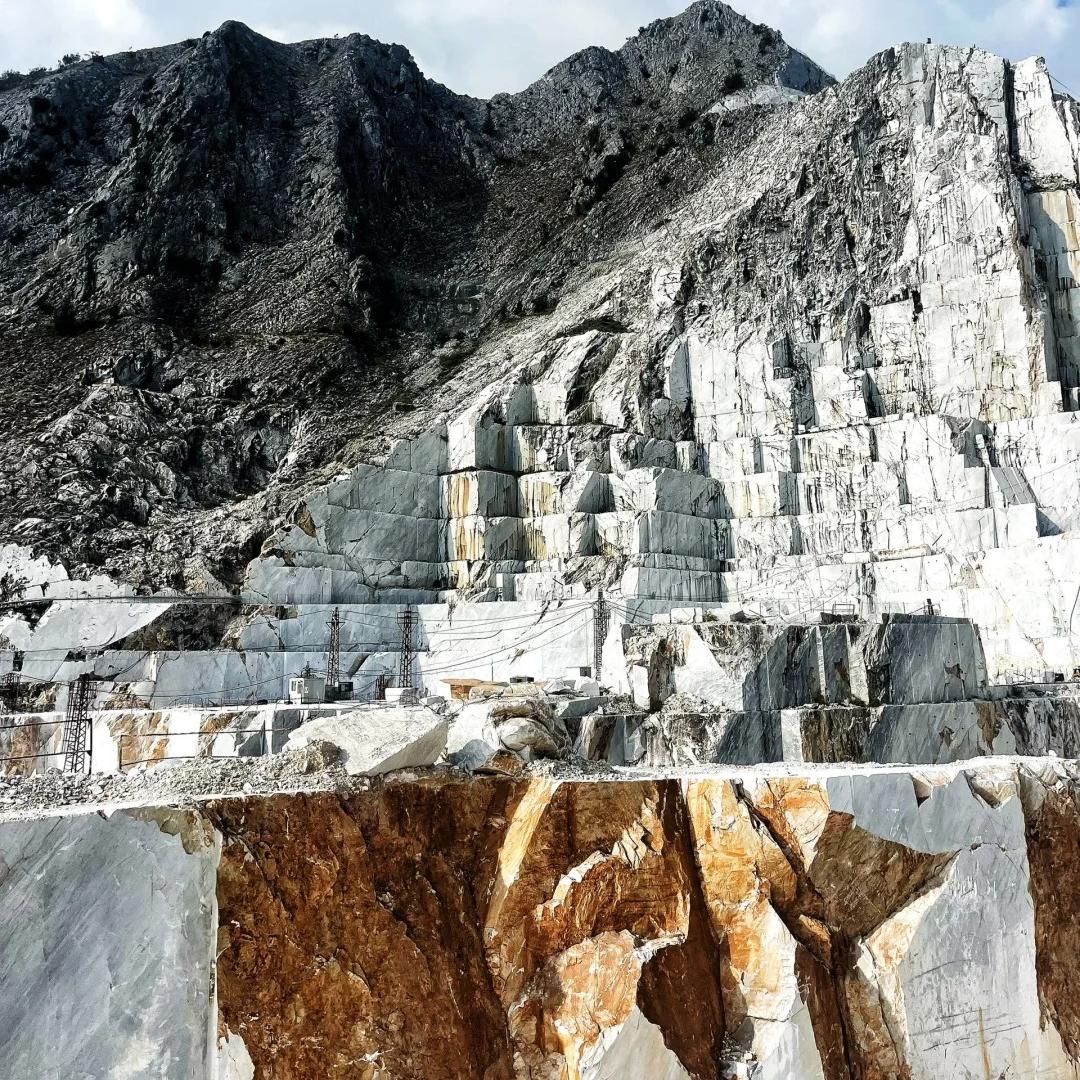
Natural stone is mined from natural rock and processed into blocks or plates.
Marble and granite are the two most commonly used types. Marble is a metamorphic carbonate rock formed by crustal sedimentation or high temperature and high pressure. The main component is calcium carbonate, which accounts for more than 50%. Since marble generally contains impurities, if the crystal particles are large, it is brittle, and calcium carbonate is easily weathered and dissolved by carbon dioxide, carbide, and water vapor in the atmosphere, making the surface lose its luster. Of course, you don't have to pay attention to this, because this geological age is calculated in billions, and this qualitative change is limited in our lifetime.
Granite is a rock formed by the condensation and crystallization of underground magma or volcanic lava. Its composition is mainly silicon dioxide. When the content is greater than 65%, it belongs to acidic rock. This rock is a crystal formed by basic minerals such as feldspar, quartz and mica. It has a granular structure and is hard and dense. Therefore, granite is often used outdoors and in harsh environments.

The natural stones sold on the market now are not classified so finely. Most of them call the carbonized stones with textures marble, and the ones with spotted crystal particles granite. Of course, for interior decoration, there is no need for such detailed classification.
It is also necessary to mention that natural stones contain radioactive substances. You can rest assured about this. Natural stones contain radioactive elements like any other substances, but the content is very low and does not reach the level of harm to humans. At present, there is only a clear definition of the radioactivity intensity of granite on the market, which is divided into three categories: A, B, and C. Most stones meet the standard of Class A.
Under normal circumstances, the radioactivity of stones can be seen from the color, from high to low, red, green, flesh red, gray white, white, and black; the radioactivity of granite is generally greater than that of marble; when purchasing, pay attention to whether the stone has been artificially treated. The surface gloss of this type of stone is not good, the color is not natural, the color of the cross section that is not treated well is particularly different from the surface color, a little whitish, and the hardness is slightly worse. Generally, the original shape will be revealed after half a year to a year of use. Good stone has a mirror luster and can clearly reflect the scenery.
Also check if there is a grid on the back of the stone. This type of stone is brittle and is treated to increase its hardness. Try to choose stone that meets Class A standards. The load-bearing thickness should not be less than 15 mm. The thickness should be uniform and there should be no pits. The four corners should be accurate and clear, and the cut edges should be neat and without cracks.
2. The selection of stone
When choosing stone, you can choose materials according to their characteristics and colors.
Cabinet countertops, door sills, and stair steps are mainly made of granite. The hardness of the rock should be denser, the color should be darker, and the color difference should be small. Dark colors are often chosen, which are easier to clean and have a more layered feel without making people feel light and airy;
Marble can be chosen for bay window countertops, decorative walls, and bathroom countertops. The rock hardness is softer than granite, the colors are diverse, and the textures are more beautiful. If it is a bay window, choose light colors, which can give people a warm and quiet feeling, and can also visually "expand" the area of the window sill;
If it is a decorative wall, you can choose travertine in marble, which is beige and white, and is elegant and simple.
3.The criteria for judging the quality of stone
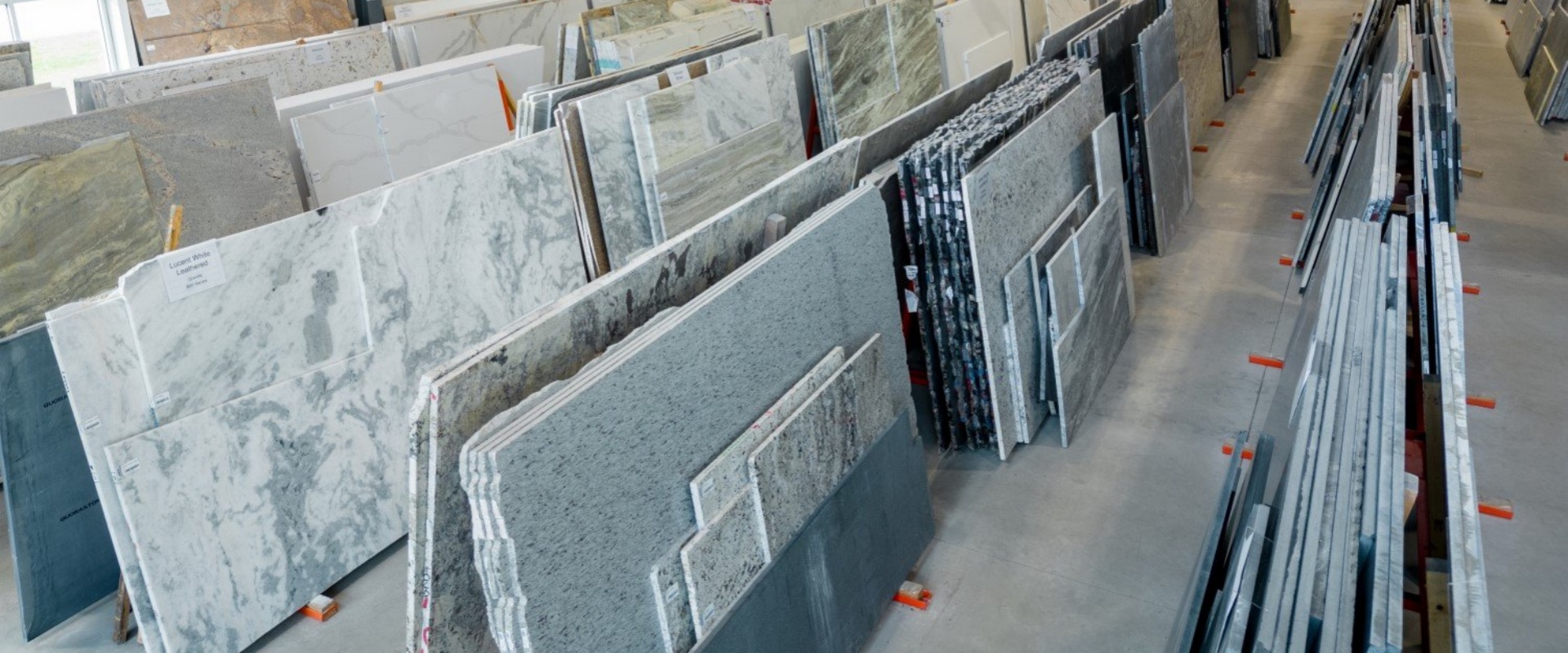
The types of stone are generally classified according to their color, pattern and other characteristics as well as their origin, purpose and other characteristics.
Natural decorative stone is processed from natural stone, so its quality depends on the quality of the raw material on the one hand and the processing process on the other. Poor quality stone is mainly manifested in the following aspects:
(1) Surface pattern and color.
As decorative stone, people mainly value the decorative effect of its surface after processing. The surface pattern and color of high-quality stone are beautiful, elegant, flowing, starry and shining... making the decorative surface have excellent decorative effect. However, the surface pattern and color of inferior stone are not beautiful after processing, which cannot give people aesthetic enjoyment.
Therefore, the surface pattern and color of stone are the main indicators for evaluating the quality of stone. As mentioned above, the colorful marble produced in Dali, Yunnan, is the best marble because of its rare pattern and color.

(2) The appearance quality of the plate after processing (processing quality).
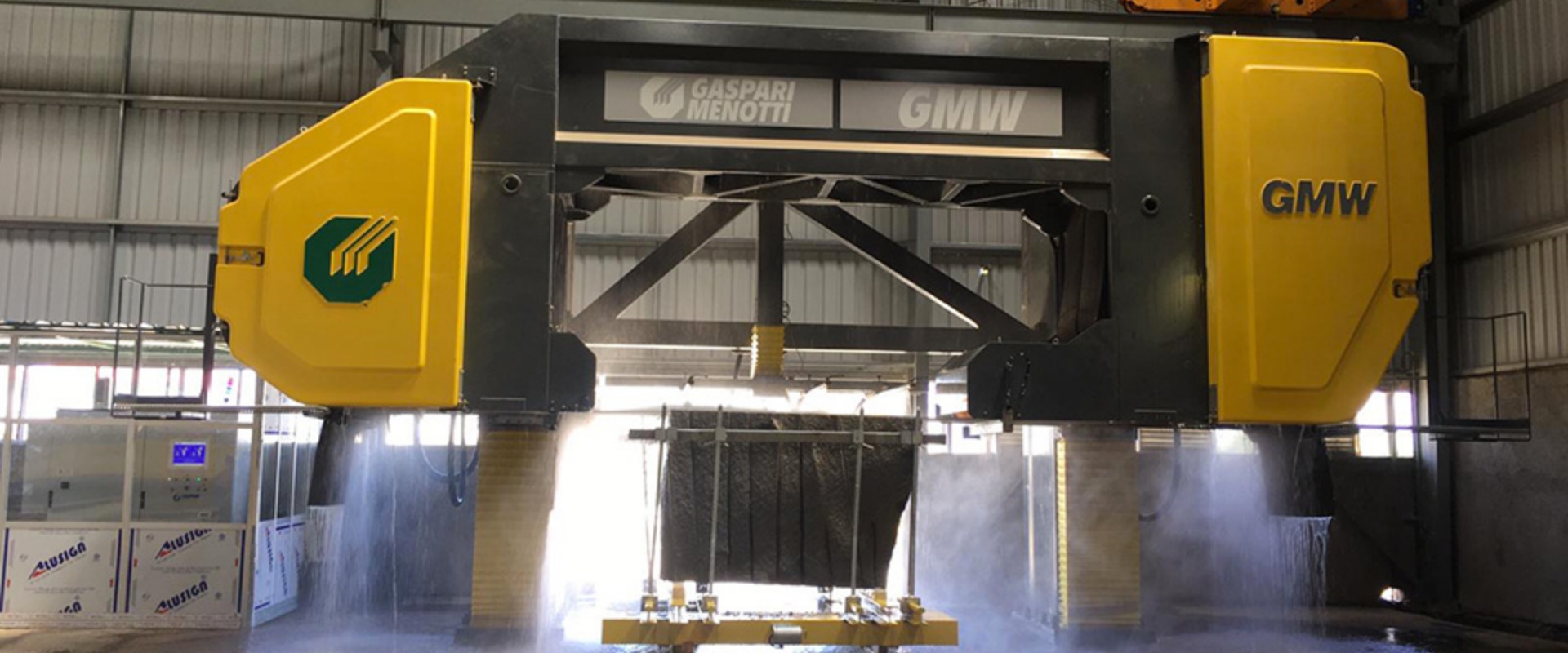
The surface characteristics of natural stone are revealed after cutting, sawing, grinding, polishing and other processes. During the processing, some defects will be left on the surface of the stone (such as the appearance defects of marble slabs: warping, cracks, sand holes, depressions, color spots, stains, missing edges and corners, etc., and the appearance defects of granite slabs: missing edges, missing corners, cracks, color spots, color lines, pits, etc.). If these appearance defects exceed the range specified by national standards, the stone is unqualified.
The overall decorative effect of using these inferior slabs with poor appearance quality for decoration will not be satisfactory. Therefore, when judging the quality of stone, in addition to considering the pattern and color, its processing quality must also be checked.
(3) Deviation of specifications and dimensions (processing dimensions).
Large decorative stones are all processed into slabs for use. During construction, they are all laid (when used for the ground) or tiled (when used for the wall). In order to ensure that the decorative surface is flat and the joints are neat, the national standard stipulates the deviation of the length, width, thickness of the board, as well as the limit tolerance of the surface flatness and the front and side angles of the board. The poor precision of the processing of inferior boards causes the deviation of their dimensions to exceed the prescribed range of the national standard. After the board is laid, the surface will be uneven and the joints will be uneven. Especially for facade decoration, the lines of the decorative surface will be uneven, affecting the overall decorative effect. Therefore, the deviation of the specification size also directly affects the use effect of the stone. (4) Physical and chemical performance indicators. The decorative performance (i.e. the color, pattern, gloss and appearance quality of the stone surface) of the stone used for decoration is often used as the material selection requirement. However, in addition to considering the decorative performance, other quality indicators should also be considered when evaluating the quality of the stone, such as compressive strength, flexural strength, durability, frost resistance, wear resistance, hardness, etc. Stones with excellent physical and chemical performance indicators can well resist the influence of various external factors during use and ensure the decorative effect and service life of the stone decorative surface. On the contrary, inferior stone has poor physical and chemical properties and cannot guarantee the durability of stone decorative surfaces. In short, when evaluating the quality of stone, we should not be limited to one aspect, but should evaluate it as a whole, considering both its decorative properties and its performance.

Click:








文章推荐
Send your message to us
At Medium Por, we provide the exceptional service we'd want to experience ourselves!
Entrance
Address
Add:Room 1404,Aosheng Building,Nanan City,Quanzhou City,FuJian Province
Mobile(What’s App): +86 131 5918 1808 (Javier)
E-maril: javier@marble-marvel.com
Mobile(What’s App): +86 136 3529 7009(Brian)
E-mail: Brian@marble-marvel.com
Mobile(What’s App): +86 176 0607 1482(Daniel)
E-mail: daniel@marble-marvel.com
Opening hours
MON-FRI: 8am-17pm

点击右上角
分享给朋友吧
Copyright © 2005-2015 MySite Ltd. All Rights Reserved
PREV
NEXT
Entrance
Address
Add:Room 1404,Aosheng Building,Nanan City,Quanzhou City,FuJian Province
Mobil(What’s App):
+8613159181808 (Chany)
+8617606071482(Daniel)
Email: xx@yourdomain.com
Opening hours
MON - FRI: 8am - 17pm
点击右上角
分享给朋友吧
Copyright © 2024-2025 MySite Ltd. All Rights Reserved.
