Ceramic tile Since 2008


News Details
The basic knowledge about natural stone(Ⅰ)
Time:
2022-10-01
5 minutes to make you become natural stone expert
1. The concept of natural stone
Stone is a metamorphic or sedimentary carbonate rock. Its main chemical component is calcium carbonate, which accounts for more than 50%, as well as magnesium carbonate, calcium oxide, manganese oxide and silicon dioxide.
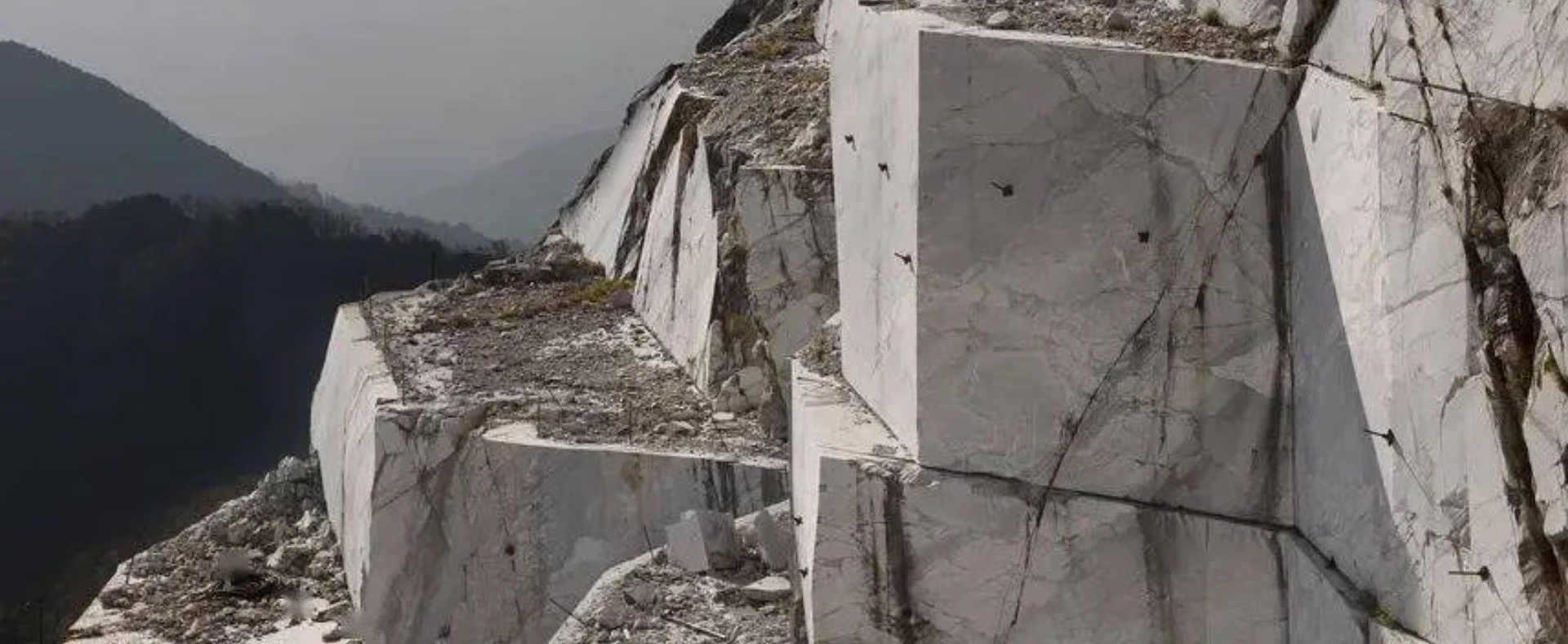
2. The variety of natural stone
Classification of natural stone by the American Society for Testing and Materials (ASTM)
Natural stone refers to the general term for materials mined from natural rocks and processed into blocks or plates. As the authority on the standards of decoration materials in the United States, the American Society for Testing and Materials (ASTM) has made a relatively comprehensive definition and classification of natural facing stones. It has formulated strict technical standards and specifications for various types of natural stones, and has also been recognized and adopted by most countries in the world, including China, the European Union, and Japan.
For example, the standard recognition of engineering stone materials for limestone and sandstone in my country is directly tested by the National Building Materials Industry Stone Quality Inspection Center according to the standards of the United States ASTM.
At present, the American Society for Testing and Materials divides natural facing stones into six categories: granite, limestone, marble, sandstone (quartz-based), slate and other stones.
2.1 Granite
Definition: A sedimentary rock composed mainly of calcium carbonate (calcite mineral) or calcium magnesium carbonate (dolomite mineral), or a mixture of the two minerals. There are several commercial types: limestone, shell limestone, dolomite, microcrystalline limestone, calcite, recrystallized limestone, tuff.
Performance classification:
Low-density limestone, density is in the range of 1.76-2.16g/cm3. Medium-density limestone, density is in the range of 1.76-2.56g/cm3. High-density limestone, density is above 2.56g/cm3
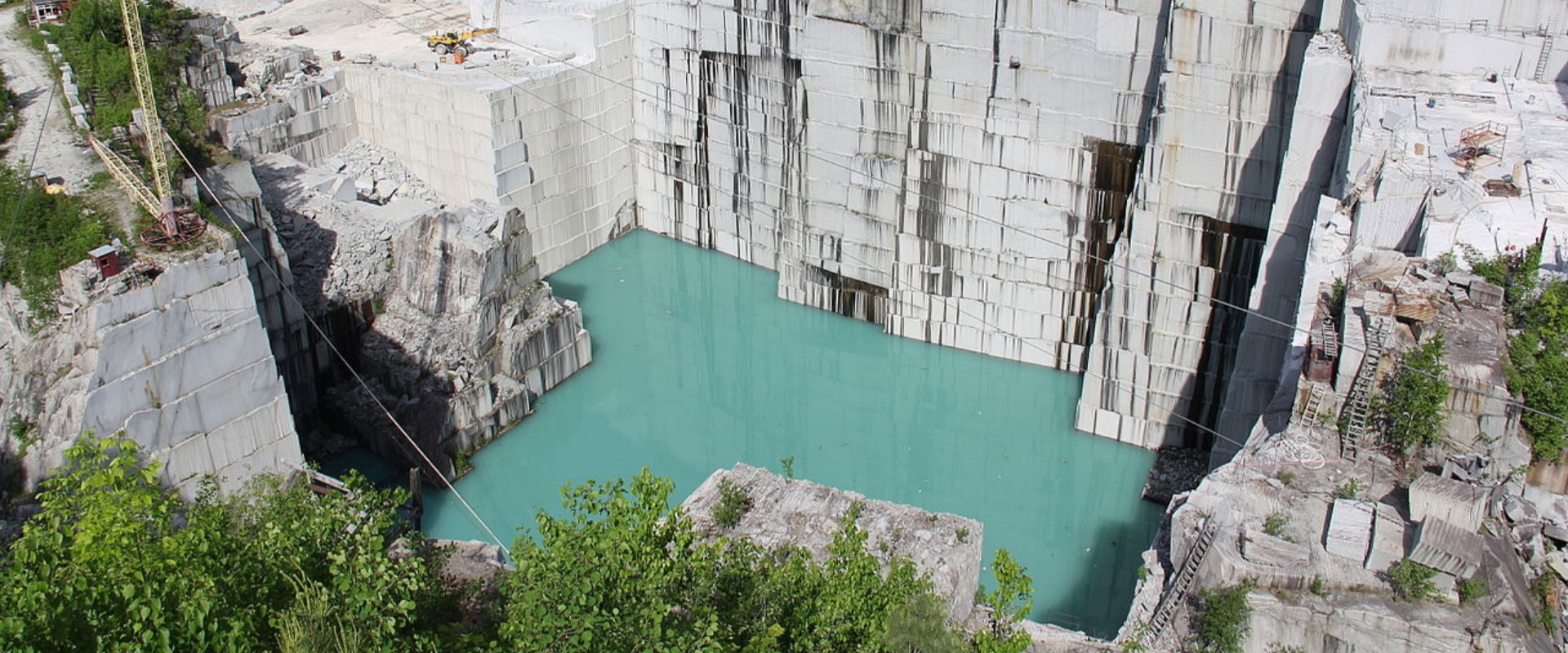
2.2 Marble
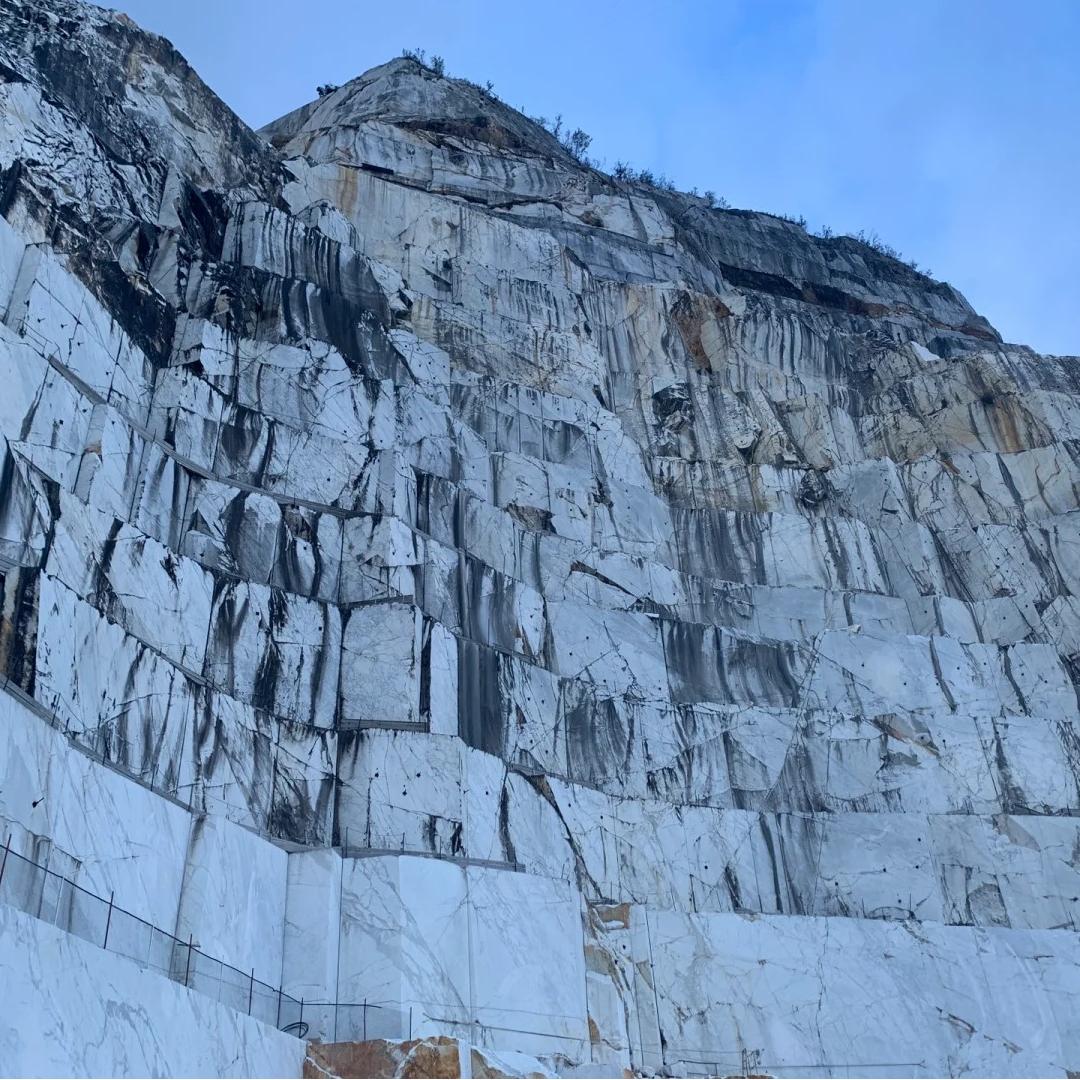
Definition: This type of stone must be able to be polished, and the composition and structure type vary greatly, ranging from pure carbonate to rocks with very low carbonate content. They are collectively called marble in the commercial market. Most of them have patterns or veins, and the crystal grain size ranges from cryptocrystalline to 5mm in diameter.
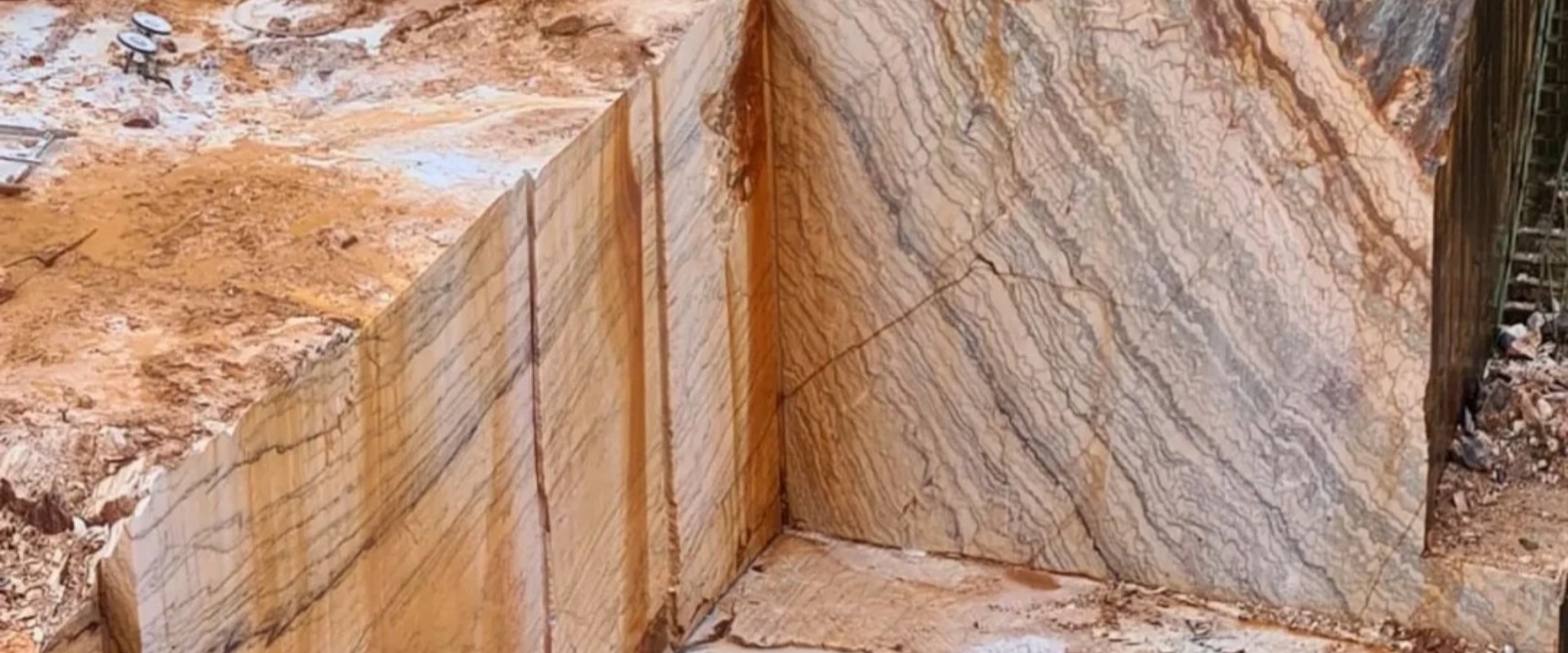
Classification: Commercially, it is mainly divided into calcite marble, dolomite marble, agate marble, serpentine marble, tuff marble, etc.
Calcite marble: mainly composed of calcite, and a unique crystal structure is formed due to recrystallization.
Dolomite marble: mainly composed of dolomite, and the crystal structure is formed after high temperature and pressure during the metamorphic period.
Serpentine marble: mainly composed of serpentine (magnesium silicate hydrate), green or dark green, with veins composed of dolomite, calcite or magnesite.
Tuff marble: porous and water-permeable layered structure, tuff containing some calcite crystals.
2.3 Limestone
Definition: A granular igneous rock, usually pink to light or dark gray in color, composed mainly of quartz and feldspar, with small amounts of black minerals, with a uniform grain texture, some with a gneissic or porphyry structure.
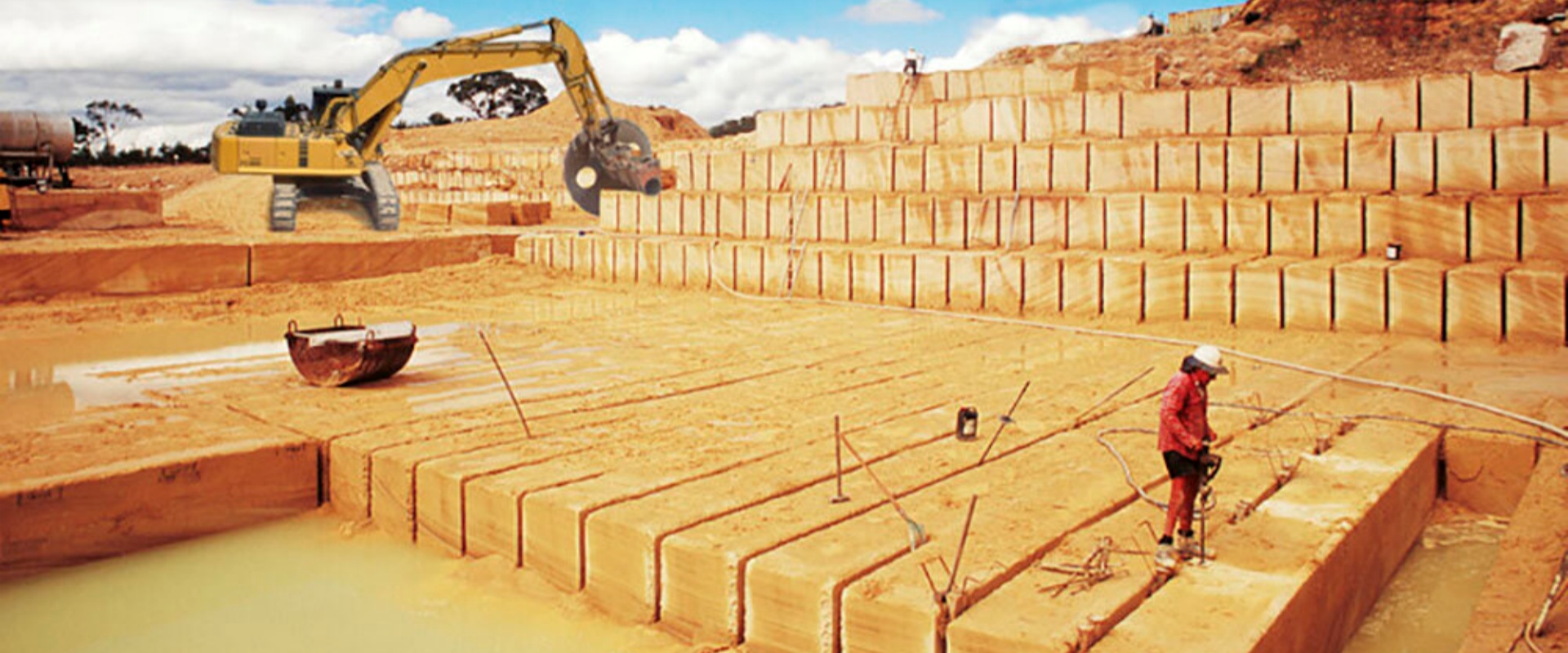
2.4 Sandstone(Quartz-based)
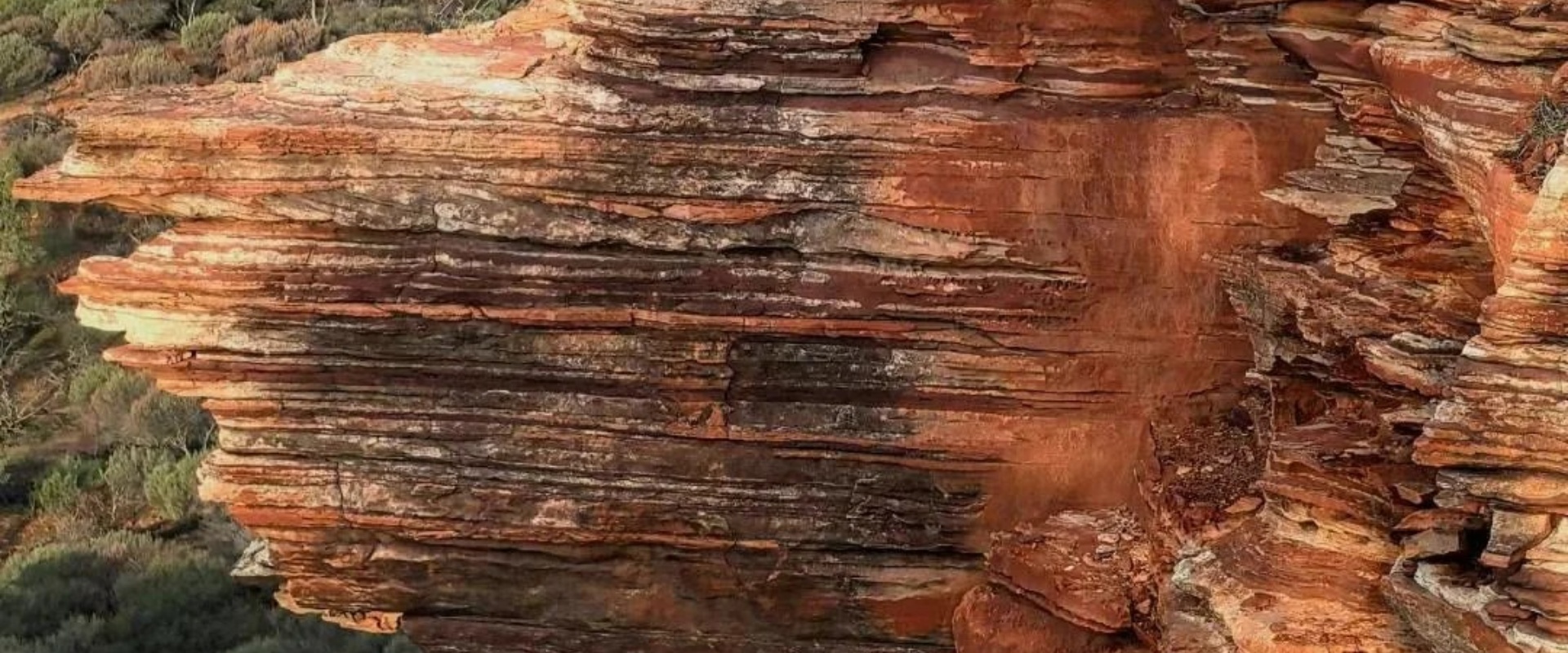
Definition: A type of sedimentary rock composed mainly of mineral and rock particles (particle size 0.06-2mm) and containing more than 60% silicon dioxide. It has a porous structure formed by the condensation of silica, iron oxide, carbonate or clay.
Classification: Commercially divided into blue-gray sandstone, brown sandstone, orthoquartz sandstone, quartzite, gravel, siltstone.
Sandstone: Silica content is 60-90%. Orthoquartz: Silica content is 90-95%. Quartzite: Silica content is more than 95%.
2.5 Slate
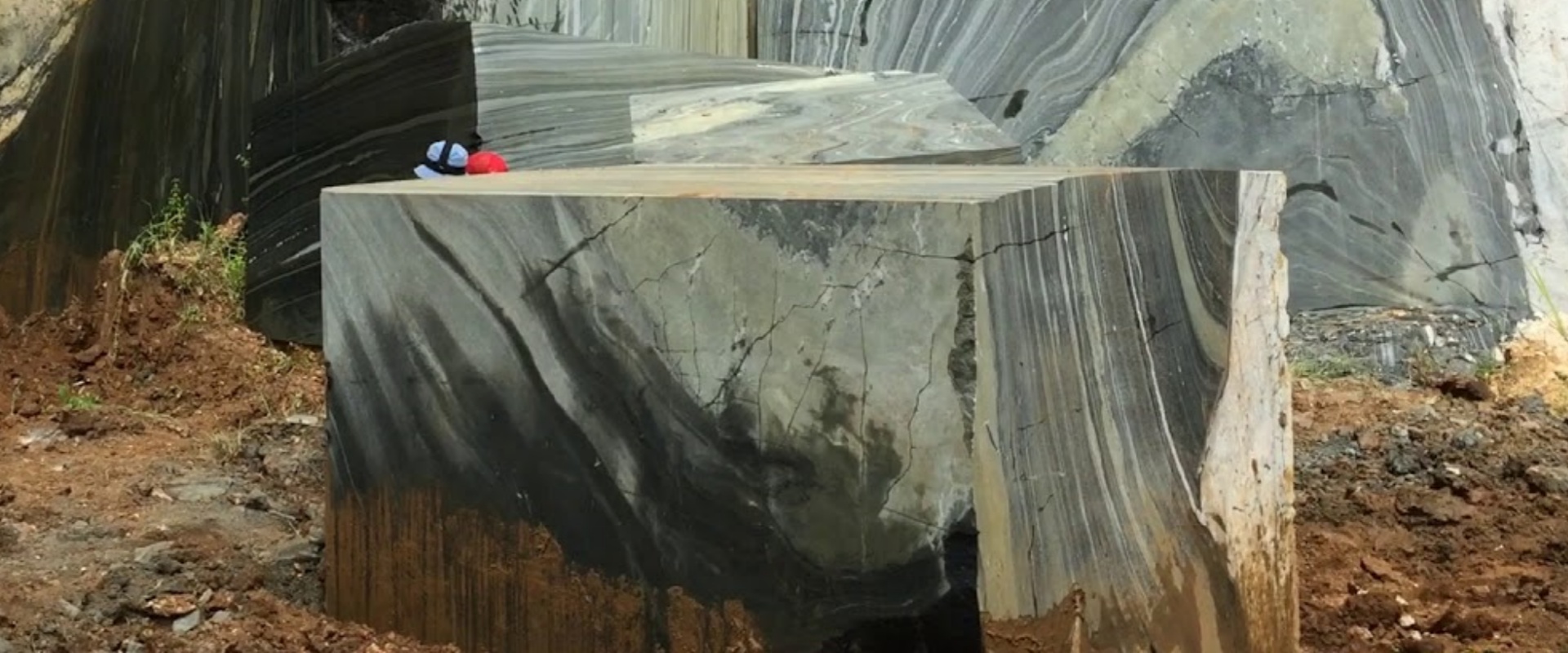
Definition: A microcrystalline metamorphic rock, usually mostly derived from shale, mainly composed of mica, oxychlorites and quartz. Slate contains mica minerals with approximately parallel trends, which can be split along the bedding plane to form thin and hard slates.
2.6 Others
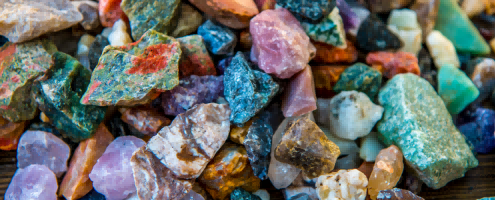
Some semi-precious stones, such as jade, semi-precious stones, shells, agates, gemstones, crystal stones, etc., are sometimes used as facing stones. Generally, the amount used is not large, just for decoration.








Send your message to us
At Medium Por, we provide the exceptional service we'd want to experience ourselves!
Entrance
Address
Add:Room 1404,Aosheng Building,Nanan City,Quanzhou City,FuJian Province
Mobile(What’s App): +86 131 5918 1808 (Javier)
E-maril: javier@marble-marvel.com
Mobile(What’s App): +86 136 3529 7009(Brian)
E-mail: Brian@marble-marvel.com
Mobile(What’s App): +86 176 0607 1482(Daniel)
E-mail: daniel@marble-marvel.com
Opening hours
MON-FRI: 8am-17pm

点击右上角
分享给朋友吧
Copyright © 2005-2015 MySite Ltd. All Rights Reserved
PREV
NEXT
Entrance
Address
Add:Room 1404,Aosheng Building,Nanan City,Quanzhou City,FuJian Province
Mobil(What’s App):
+8613159181808 (Chany)
+8617606071482(Daniel)
Email: xx@yourdomain.com
Opening hours
MON - FRI: 8am - 17pm
点击右上角
分享给朋友吧
Copyright © 2024-2025 MySite Ltd. All Rights Reserved.
