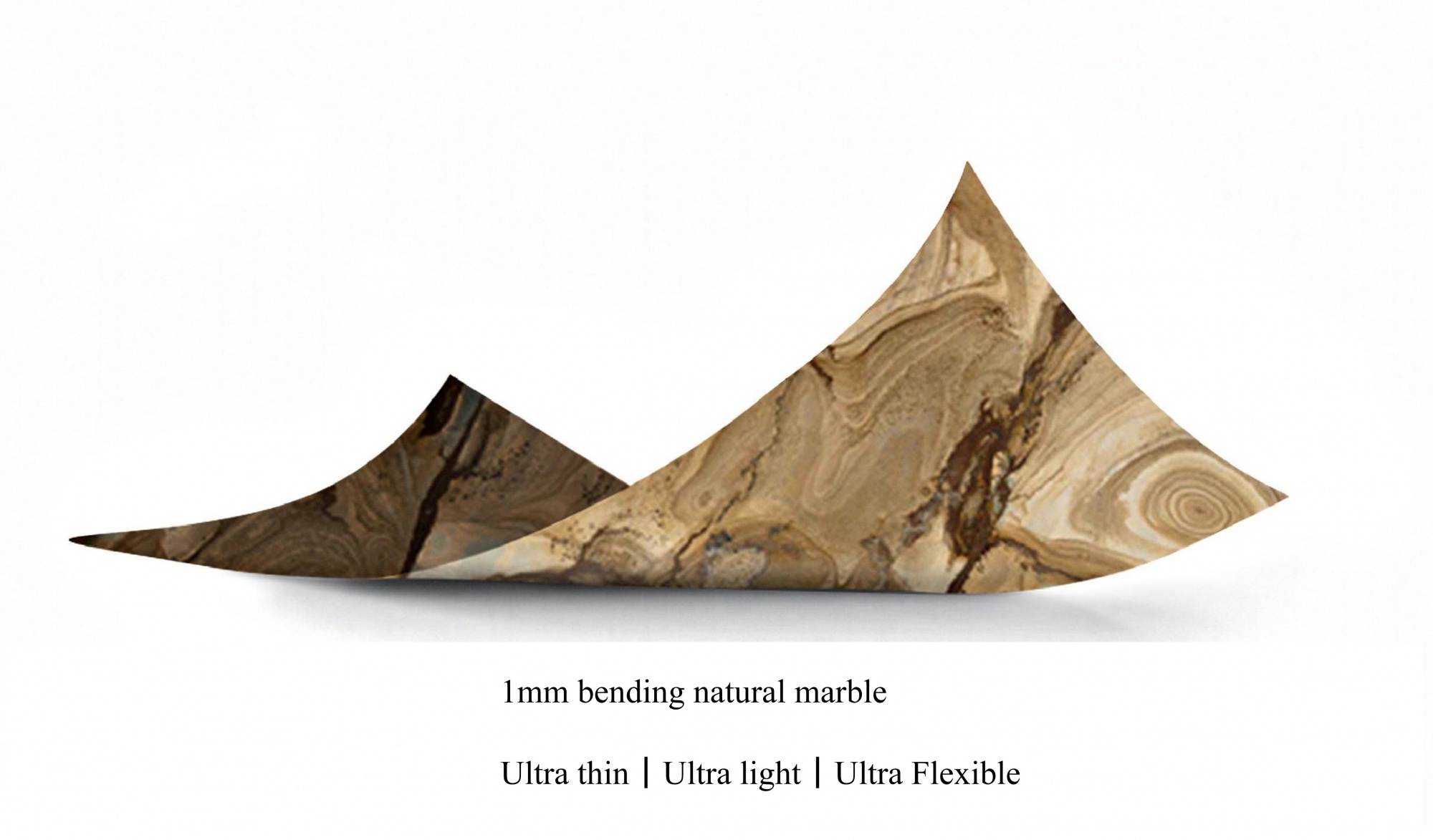
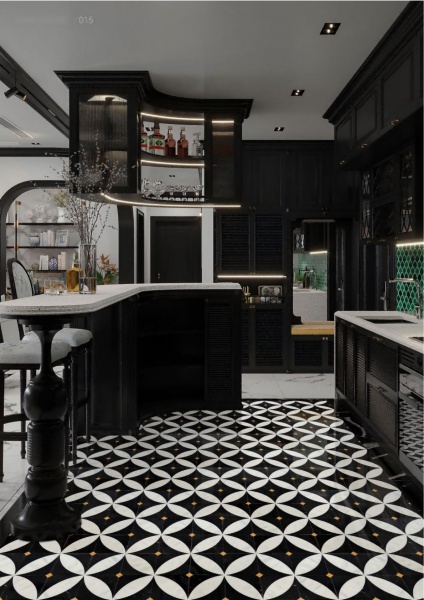
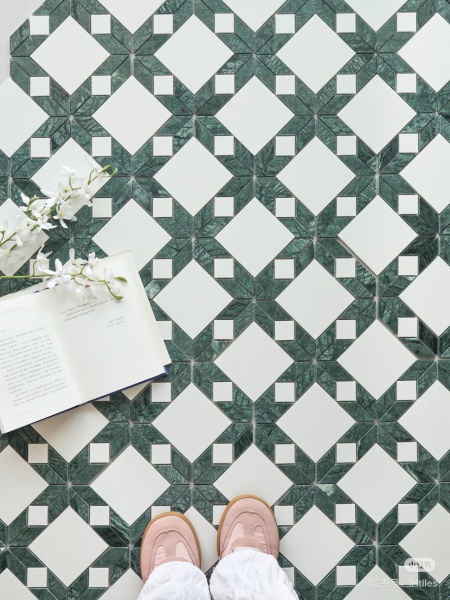
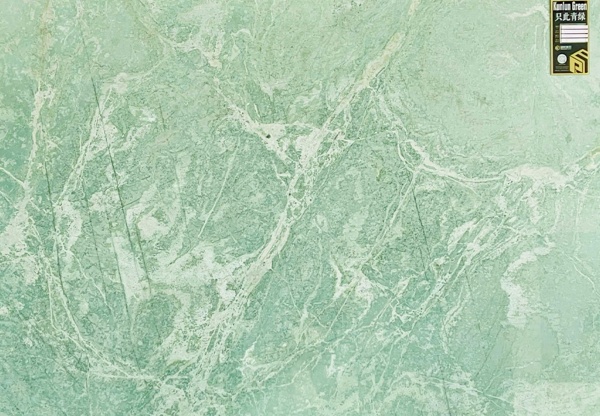
Our new technology enables natural stone to be processed into ultra-thin thicknesses of 1mm, 3mm, and 5mm, achieving an extreme level of lightweight stone solutions.
For the 1mm thickness, the stone is combined with our newly developed reinforced backing material, which allows the stone to bend without breaking. While preserving the authentic texture and beauty of natural stone, this technology also provides flexibility and durability.
This innovation allows stone to be applied on curved surfaces without relying on traditional stone segmentation techniques. In many cases, the stone can be bent directly to follow curved structures, eliminating the need for complex stone carving or multiple jointed pieces. As a result, it significantly reduces transportation, installation costs, and project risks.
In projects that traditionally require solid block carving for irregular or sculptural designs, our ultra-thin stone technology can dramatically reduce the final product weight while lowering overall production costs.
Beyond these advantages, 1mm flexible stone technology also provides several additional benefits:
1. Ultra-Lightweight Performance
Traditional stone slabs are typically 18–20mm thick, whereas 1mm stone weighs only about 1/15–1/20 of conventional stone.
This significantly reduces:
• Transportation costs
• Structural load on buildings
• Installation difficulty
It also enables natural stone to be used in applications where weight was previously a limitation, such as high-rise buildings, ceilings, and large wall surfaces.
2. Flexible Application on Curved Surfaces
With the reinforced backing system, 1mm stone becomes flexible, allowing it to adapt to curved architectural surfaces.
Traditionally, curved stone applications require:
• Small piece segmentation
• Complex solid stone carving
• Replacement with artificial materials
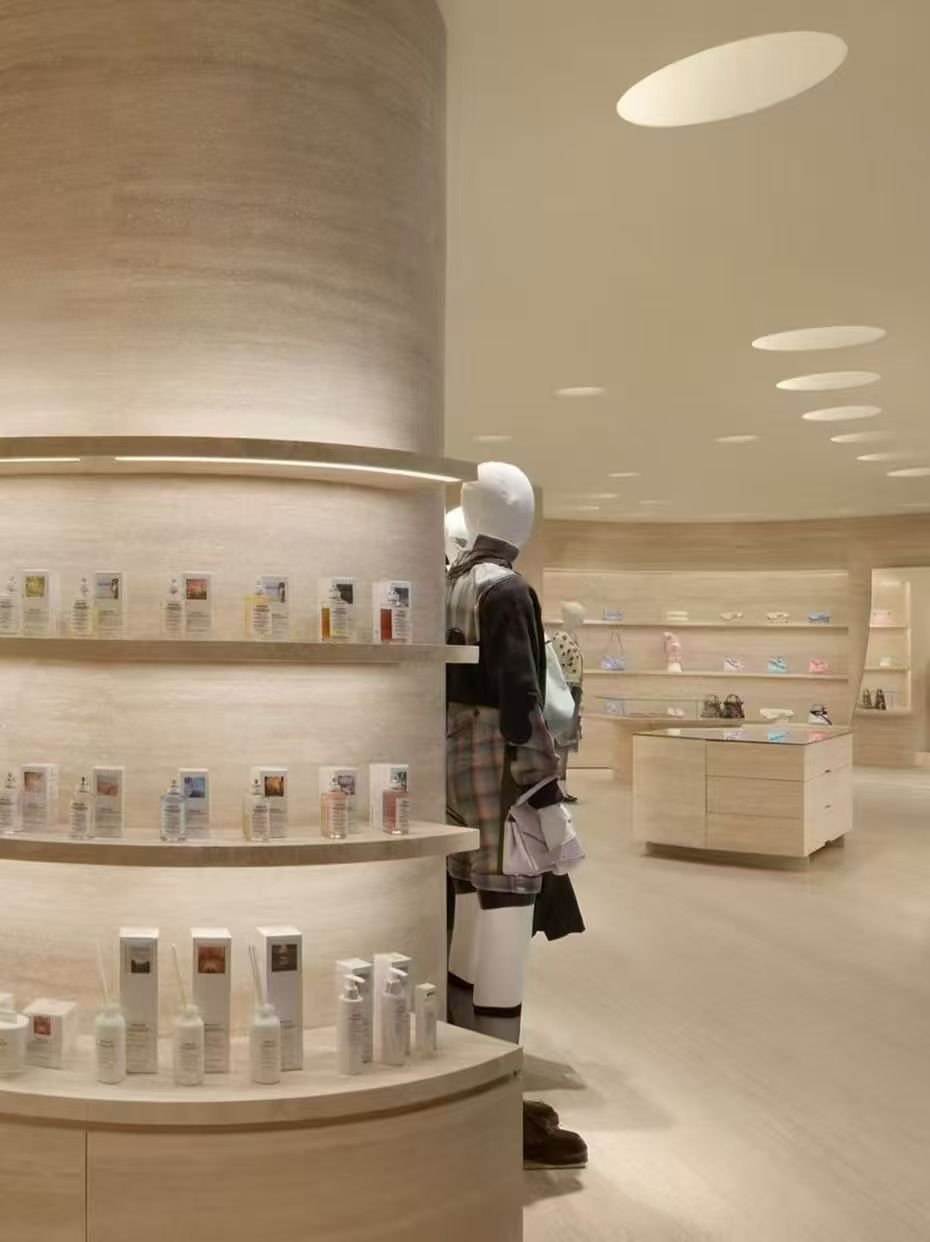
Our flexible stone allows continuous stone surfaces on curved structures, eliminating visible joints and creating a more seamless and premium visual effect.
It is particularly suitable for:
• Curved walls
• Columns
• Arched ceilings
• Artistic installations

3. Breaking the Processing Limitations of Traditional Stone
Many complex stone projects require expensive block carving and CNC processing, which leads to high material waste.
Ultra-thin flexible stone can cover complex shapes and structures, reducing the need for large block carving.
This results in:
• Higher material utilization
• Lower production costs
• Shorter manufacturing cycles
4. Easier and Faster Installation
Traditional stone installation often requires:
• Steel support structures
• Dry hanging systems
• Heavy lifting equipment
In contrast, ultra-thin stone can be installed using adhesive systems or composite panels, similar to decorative panels.
Benefits include:
• Faster installation
• Lower labor costs
• Reduced on-site damage risk
5. Safer and More Efficient Transportation
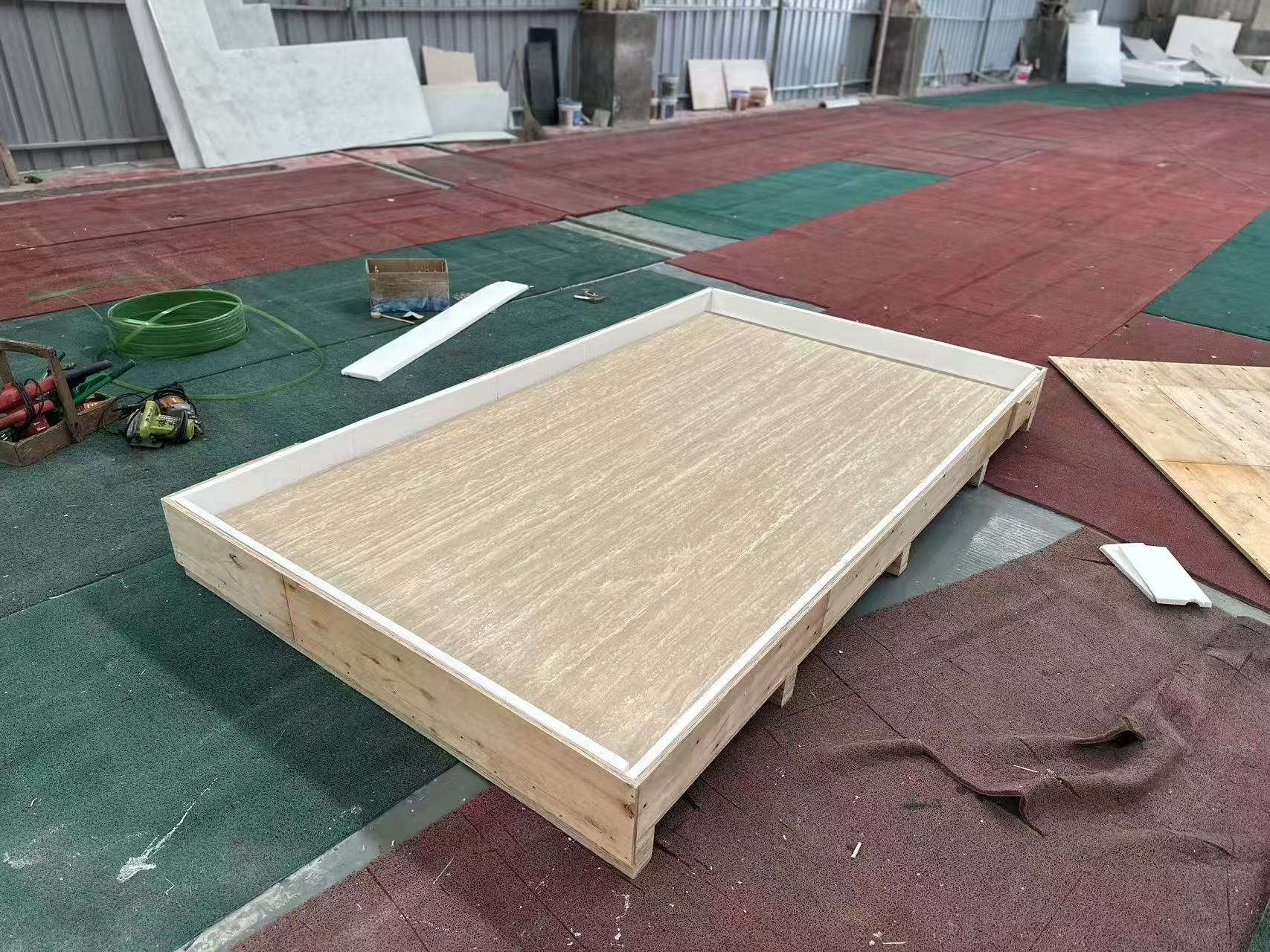
Conventional stone slabs are heavy and fragile, requiring strong wooden crates and careful handling.
Ultra-thin stone panels are:
• Much lighter
• More impact-resistant when laminated
• Easier to pack and transport
This significantly reduces breakage risk and logistics costs.
6. Compatible with Multiple Composite Materials
1mm stone can be laminated with various substrates such as:
• Aluminum honeycomb panels
• Glass
• Wood panels
• Metal sheets
• FRP or other composite materials
This creates ultra-thin stone composite panels, widely used in interior architecture, furniture, elevator panels, yachts, and RV interiors.
7. Natural Stone Aesthetics with Advanced Material Performance
Many lightweight alternatives such as porcelain slabs, engineered panels, or fiberglass materialslack the authentic texture and uniqueness of natural stone.
Ultra-thin stone technology preserves:
• The natural veins and patterns of real stone
• While providing flexibility and lightweight performance
This combines the beauty of nature with modern material engineering.
8. Large Continuous Stone Surfaces
Traditional curved stone surfaces require multiple pieces and visible joints.
Flexible stone allows large continuous coverage, achieving a seamless stone “skin” effect, which is highly valued in:
• Museums
• Luxury retail spaces
• Art galleries
• High-end hospitality projects
9. Expanding Stone into New Industries
Because of its reduced weight and flexibility, ultra-thin stone can now be used in applications where traditional stone was impractical, such as:
• Yacht interiors
• Shipbuilding
• RV interiors
• Elevator cabins
• Furniture surfaces
• Curved ceiling systems
This opens entirely new markets for natural stone materials.
10. Sustainability and Resource Efficiency
Ultra-thin stone allows a single block of natural stone to produce significantly more surface area, improving resource utilization.
This leads to:
• Reduced quarry extraction
• Lower transportation emissions
• Better alignment with green building standards
In essence, this technology transforms natural stone from a heavy structural material into a flexible decorative surface, unlocking entirely new possibilities for architectural design.